On this Page
LEEP NZE Wall Guides
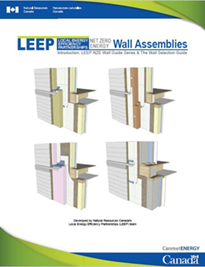
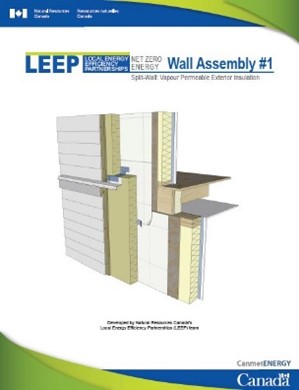
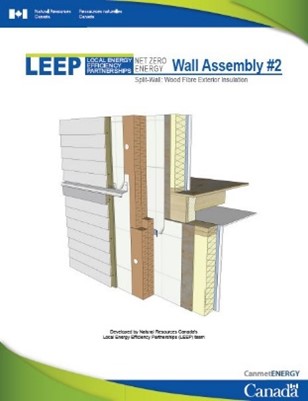
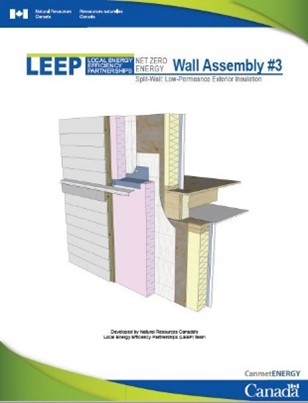
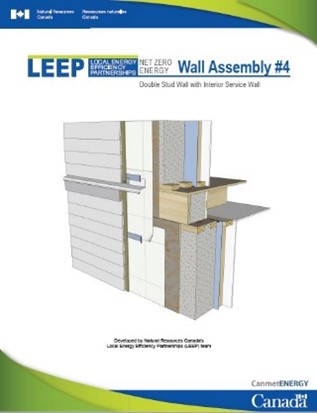
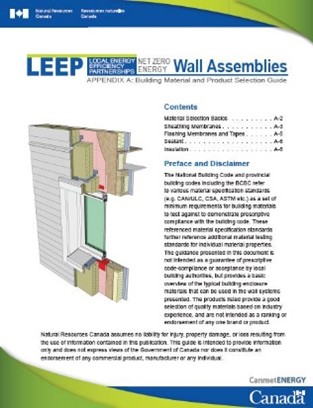
This is a series of seven (7) documents: Introduction, Wall-Assembly Guide #1, #2, #3, #4, and Appendix A & B. These detailed reference guides explain the design and construction of ‘high-performance’ wall assemblies using light-frame wood construction. Four wall-types are presented, illustrated with 3D images and large-scale construction details. Each LEEP NZE wall-assembly allows a range of R-values suitable for use in tiered code compliance and Net Zero Energy construction. A selection guide for continuous exterior insulation and wall materials is included, along with detailed discussion of risk-management, ‘critical barriers’, insulation ratios, air-tightness, window installation, condensation, long-fasteners, and the variations required by Canadian Climate Zones.
Documents available for download

LEEP NZE Wall Videos
These construction training videos correspond directly to the LEEP NZE Wall Guide Series. LEEP worked with RDH Building Science and BCIT’s Zero Energy Buildings Learning Centre to produce this video series. This online video series examines each of the documents in the wall guide series and expands the learning options for students in construction and trade programs.
LEEP Guides for NZE Foundations and Roofs
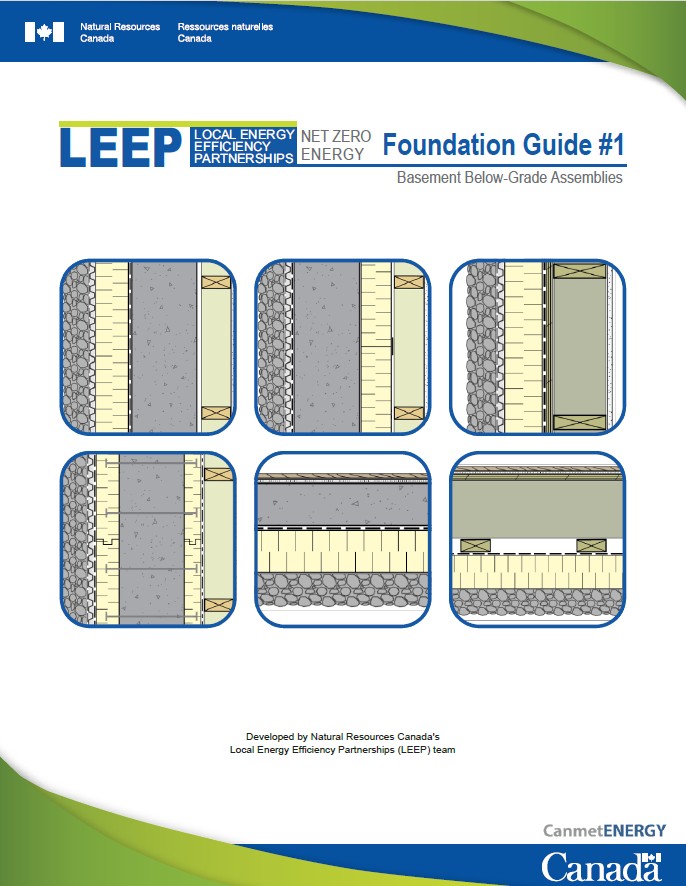
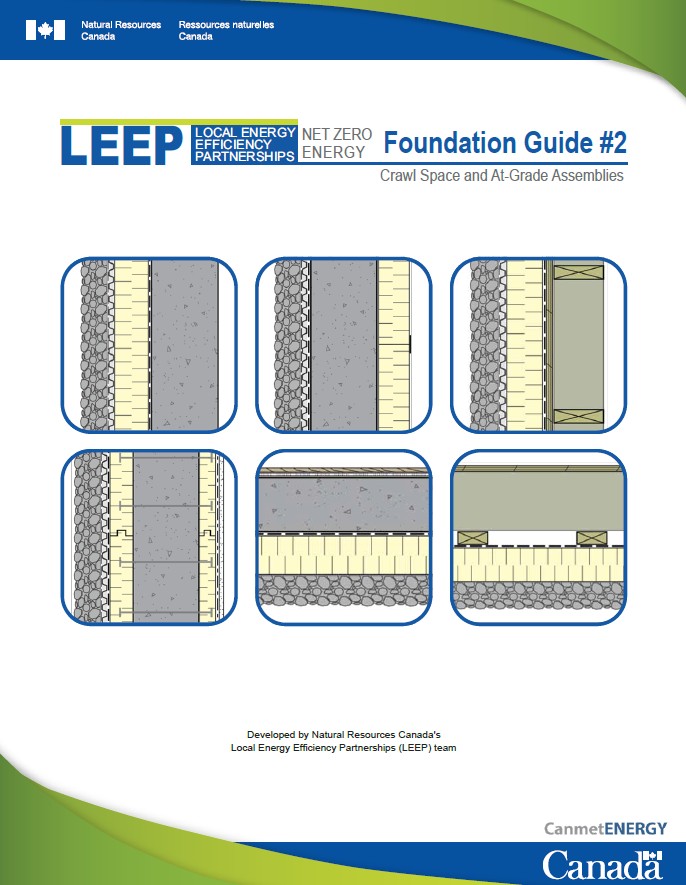
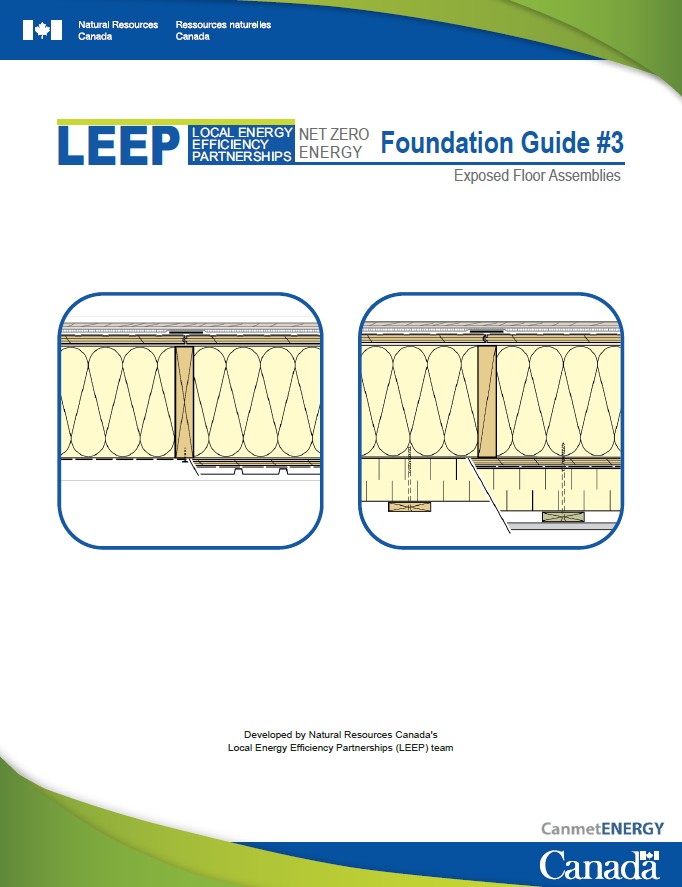
This is a series of eight (8) documents. Three (3) guides present foundation types: 1. Basement and Below-Grade Assemblies 2. Crawl Space and At-Grade Assemblies 3. Exposed Floor Assemblies.
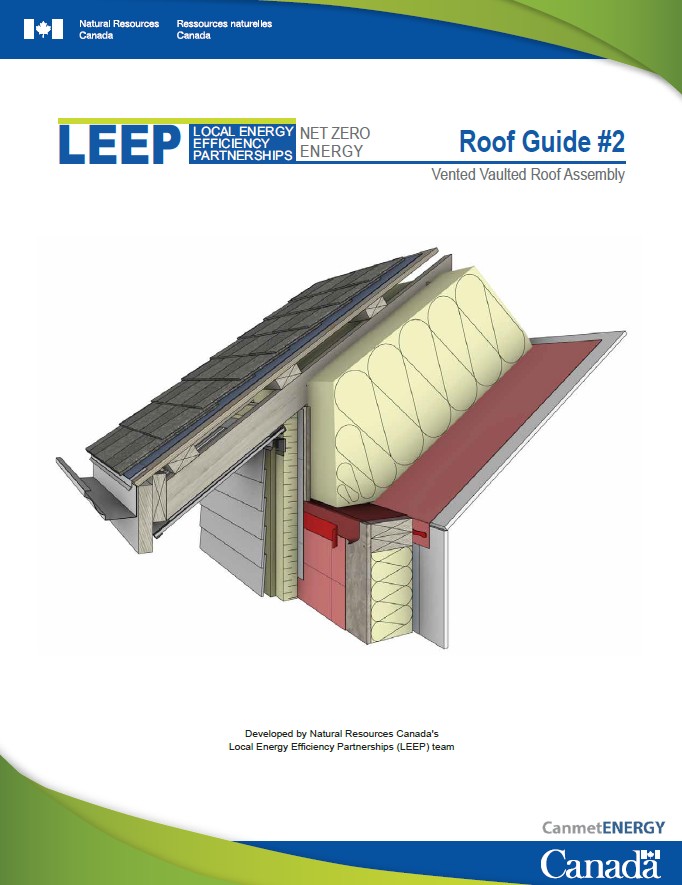
Five (5) guides present roof types: 1. Vented Attic Roof Assembly 2. Vented Vaulted Roof Assembly 3. Exterior-Insulated Sloped Roof Assembly 4. Vented Flat Roof Assembly 5. Conventional Flat Roof Assembly. These detailed reference guides explain the design and construction of light-frame wood construction assemblies. Each guide includes 3D images and large-scale construction details. Each assembly allows a range of R-values suitable for use in tiered code compliance and Net Zero Energy construction. Each guide discusses building science and critical barriers, condensation and risk-management, air-tightness best practices, and variations required by Canadian Climate Zones.