
Project location: CanmetENERGY Ottawa, Ottawa, ON
Timeline: 5 years (2023-2028)
Program: PERD/EIP
Project overview and objectives
Currently, Canadian steelmakers use fossil carbon reductants in many steelmaking processes, such as coke for induration during iron ore pellet production, natural gas in direct reduced iron (DRI) processes, solid fossil carbon in electric arc furnace (EAF) steelmaking, and coke and pulverized coal in blast furnace (BF) ironmaking. Replacing fossil-derived carbon with low carbon intensity reductants (LCIR) has the potential to reduce greenhouse gas emissions produced by the steel industry. But the steel industry has not accepted LCIR as a viable alternative to fossil-based carbon because the current LCIR market does not produce LCIR products that meet the specific needs of the steel industry.
This project, led by CanmetENERGY Ottawa, focuses on addressing the key knowledge gaps currently impeding the use of LCIR for iron and steel production. The goal of this project is to determine the critical properties of LCIR for various steelmaking processes to enable its use in the steel industry. Once the critical properties are well understood, standard procedures will be created for evaluating the suitability of LCIR candidates for specific steel industry uses. Pilot scale and laboratory facilities at CanmetENERGY will be used to carry out this research work. The outcomes from this project will enable LCIR utilization in steel production processes including iron ore pellet induration, DRI, EAF and BF. Also, LCIR producers will gain insight into the specific properties that LCIR candidates must have to be considered for use by the steel industry.
Impact and innovations
Steel production processes are designed and optimized for various types of conventional fossil fuels such as coal, coke and natural gas. Since LCIR was originally developed to serve other industries (not the steel industry), replacing fossil fuels with currently available LCIR can bring significant risks for the steel industry. These risks include negative impacts on steel product quality, process efficiency, and equipment reliability. The work carried out under this project will reduce the risks for the steel industry by equipping decision makers with the information they need to evaluate and select reliable LCIR candidates for use at their facilities. Also, our work will enable LCIR producers to produce products that meet the specific requirements of the steel industry.
Currently, LCIR production capacity is still very limited in Canada. To ensure future LCIR supply meets demand, communication between LCIR producers and the steel sector needs to start now. This two-way communication is key to ensuring that LCIR producers are equipped to deliver the type and quantity of LCIR products that the steel industry may need in the future. Teams at CanmetENERGY will help facilitate discussions between LCIR producers and the steel industry.
By the end of the project, the following will be achieved:
- Understand the fundamental properties of LCIR relevant to steel production
- Identify potential areas of application for LCIR candidates in steel production based on known property requirements of conventional fossil reductants
- Develop lab scale evaluation method for quantifying the suitability of an LCIR candidate for use in steel production to enable communication between sectors
- Demonstrate in pilot scale the performance of LCIR in steel production processes to de-risk full industrial scale implementation
- Inform LCIR producers on areas of further development to improve the suitability of their products for use by the steel industry
- Inform steel producers on necessary process modifications to accommodate LCIR utilization
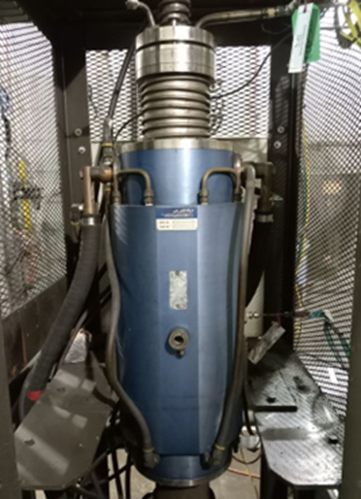
Figure 1: CanmetENERGY Ottawa’s Iron Ore Reduction Simulation Furnace