
Unlocking the economic and environmental potential of the bioeconomy through bioenergy research and development.
Our areas of focus
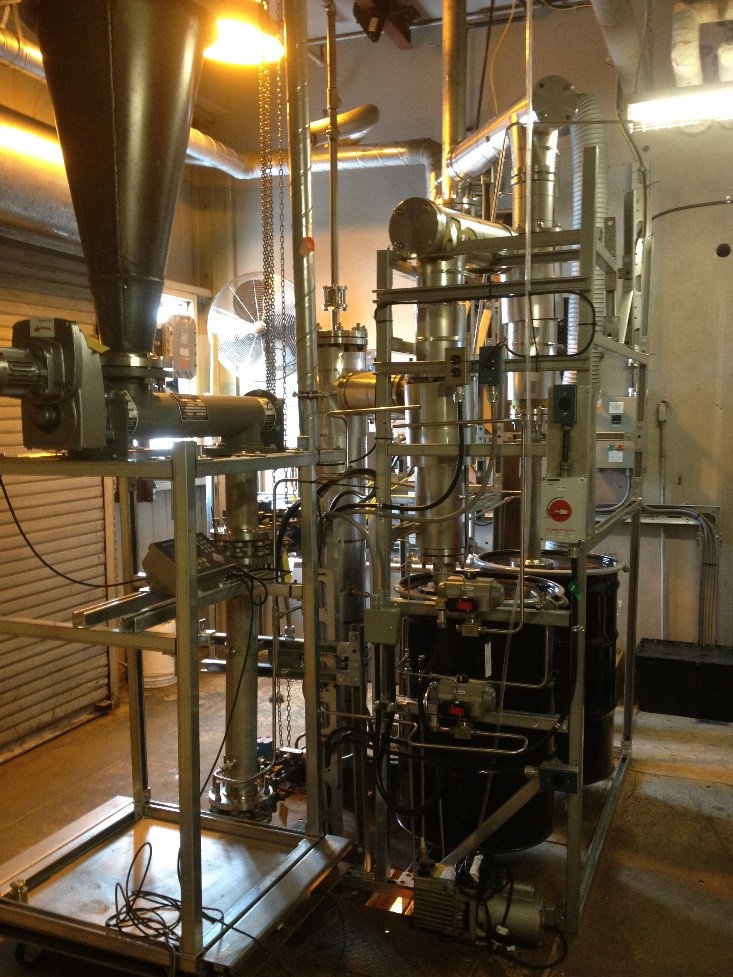
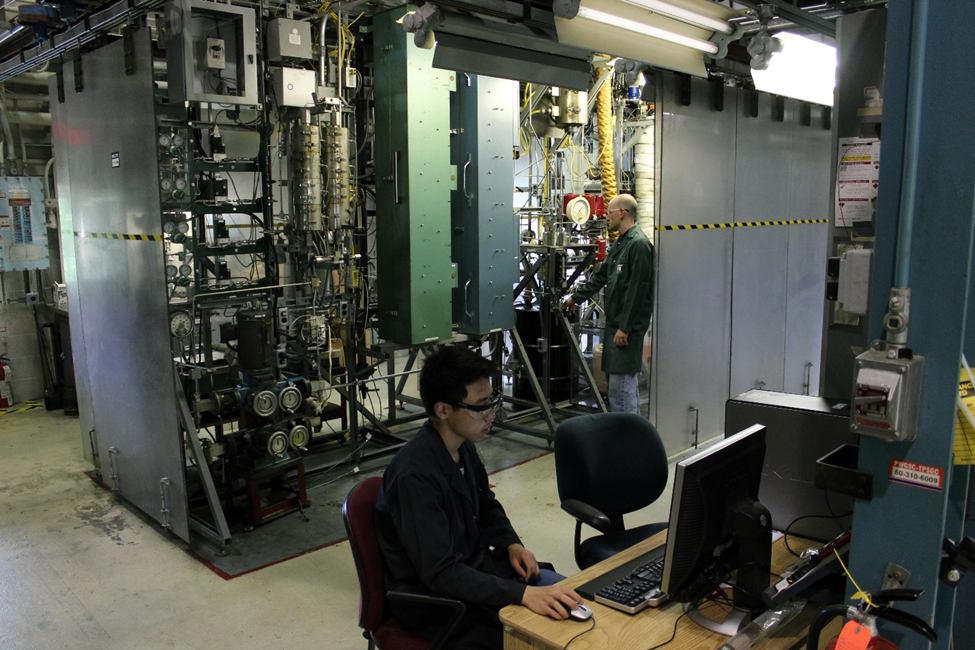
CanmetENERGY Ottawa’s Bioenergy program is focused on the transformation of non-food residual biomass resources (such as wood processing residues) to produce impactful quantities of bioenergy, biofuels and bioproducts for Canadian industries. We focus on working with industrial, academic and governmental partners to:
- de-risk the biomass supply: Biomass residues have a huge range of characteristics and qualities. Characterizing , categorizing , and assessing Canadian sources of biomass residues for their suitability in different thermochemical conversion (e.g., pyrolysis and gasification) ; developing guidance and protocols for storage, handling, and pre-treatment to meet the needs of biorefinery processes and industrial applications.
- develop bio-refinery processes: Using Canadian biomass resources to establish technical datasets and create innovations in biorefinery processes to improve process efficiency, to improve product quality, and to facilitate the commercial scale-up of advanced thermochemical technologies. Integrating experimental data with models to forecast costs and carbon-intensity of these pathways.
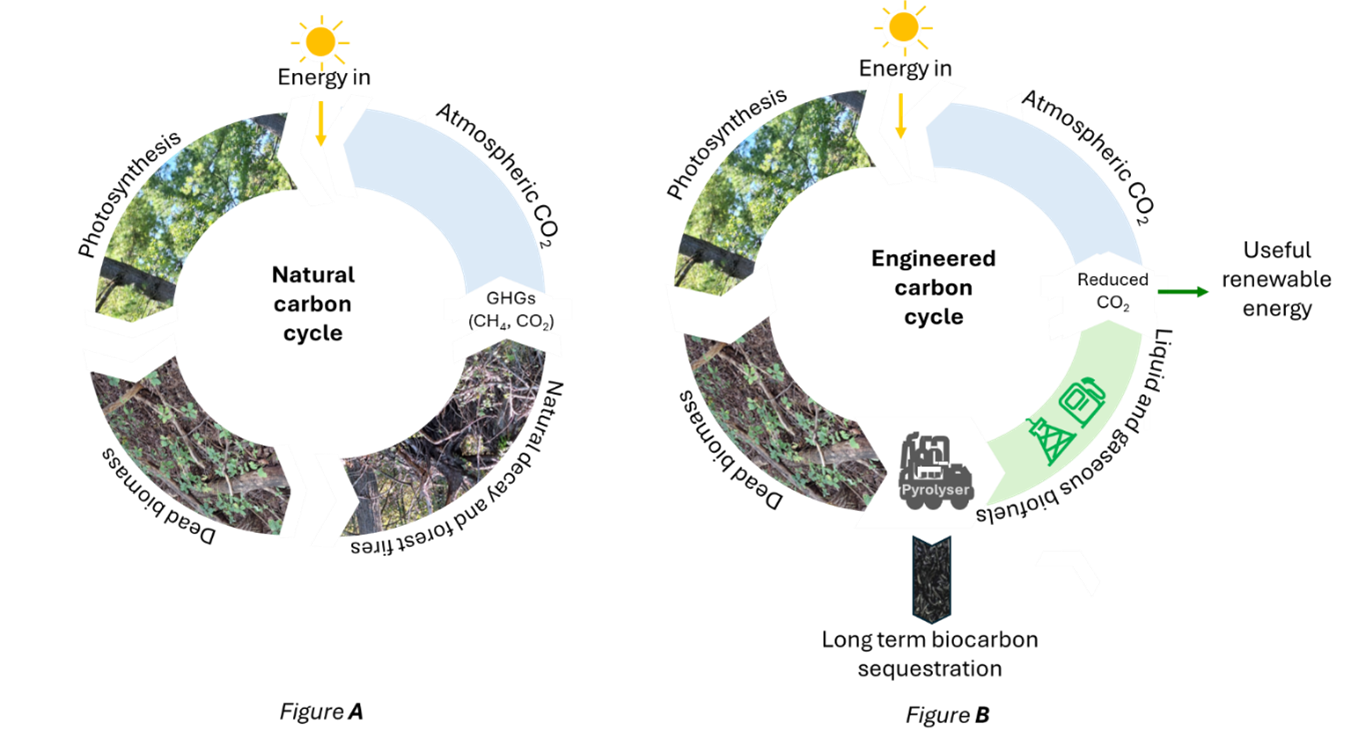
- evaluate carbon negative bioenergy pathways: Advanced thermochemical conversion of biomass generates a suite of solids, liquids and gases creating opportunities for sequestration of some of the bio-derived carbon. Quantifying the technical potential and assessing characterization methods to predict sequestration behaviour of biocarbon.
Bioenergy projects at CanmetENERGY in Ottawa
To address the areas of focus listed above, CanmetENERGY Ottawa is currently involved in the following bioenergy projects:
Disclaimer
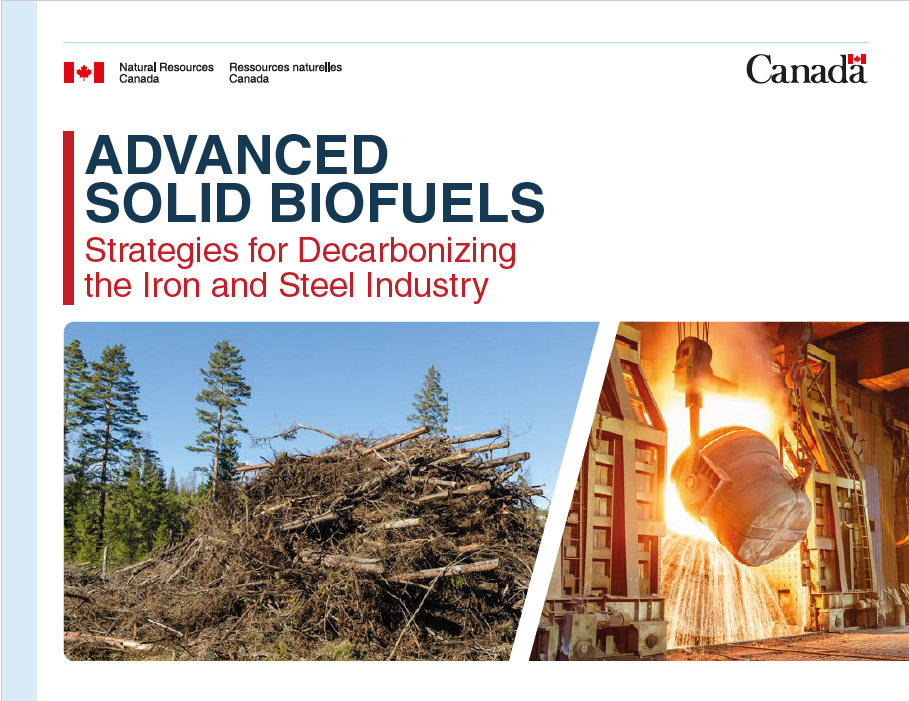
Advanced Solid Biofuels: Strategies for Decarbonizing the Iron and Steel Industry
Discover the potential of advanced solid biofuels to support the decarbonization of Canada’s iron and steel industry. This brochure explores the role of biochar and biocarbon as Carbon-neutral alternatives to fossil fuels, as well as the challenges and opportunities associated with their adoption.