
Government and industry partners are responding to the growing demand for information and advice that will help Canadians with the choices they face when buying, selling, renting or improving their home. There is a vast network of partners who are playing a role in home labelling.
Government and industry collaboration
The National Approach to Home Labelling (NAHL) aims to bring interested partners together to advance home labelling and explore how home labels can serve households. The NAHL also seeks to build on existing partnerships and opportunities:
- The housing industry is supporting home labelling through collaborative efforts and partnerships. For example, energy advisors and service organizations are working with home builders, contractors and real estate agents to demonstrate the value of energy efficient homes, meet building energy codes, share energy efficient building practices, and support proper installation of energy efficiency technologies.
- Government and industry partners are working together to identify how home labelling service providers can contribute their experience, skills and knowledge to support and sustain home labelling. For example, training for industry professionals can enhance their understanding and ability to communicate the value of energy efficiency and home labels that provide this information.
Home labelling roles and responsibilities
Understanding roles and responsibilities for home labelling encourages collaboration, accountability and alignment among home labelling partners.
Federal government: provides leadership on the development, implementation and maintenance of a national framework that supports a reliable, consistent, and accessible home labelling system in Canada through:
- National standards, guidelines, tools, research and resources to support home labelling approaches that improve the energy efficiency and climate resiliency of homes
- Training, testing, quality assurance and education for standards and tools, including energy modelling and evaluations for the EnerGuide Rating System
- Guidance and best practices for home labelling tools to be used to support home construction and retrofit activities
- Collaboration with governments and industry to support innovation, expand capacity, address gaps and meet the unique needs of regions and Canadians.
Provincial and territorial governments: can regulate home labelling and introduce voluntary initiatives. Provincial and territorial support and direction can help create consistency across home labelling programs within each province or territory. Several provinces and territories have established home labelling goals and programs as part of their plans to improve the energy efficiency of their housing stock. Lessons learned from these activities is helping advance home labelling across Canada.
Cities and communities: Indigenous communities and some municipalities also have jurisdiction over home labelling. Some cities have shown they have capacity to deliver home labelling programs, often through collaborative funding models. Cities are implementing programs such as Property Assessed Clean Energy (PACE) financing for energy efficiency upgrades based on home labelling tools. Some cities have developed, or are exploring the development of, their own labelling systems to meet their needs.
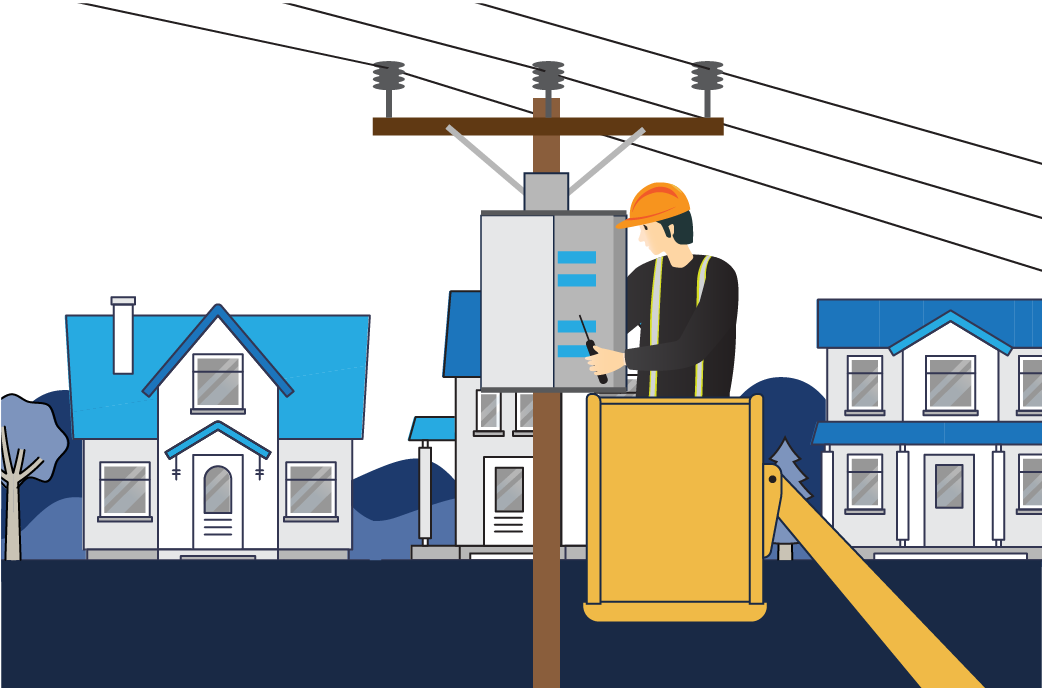
Utilities: provide education and financial incentives to make home energy labelling and retrofits more accessible and affordable. Utilities also monitor incentives to ensure they achieve the intended outcomes and benefits for ratepayers. Some partners are exploring how utility data and billing information can help validate the accuracy and reliability of home energy labelling and retrofit recommendations, and support incentive program delivery.
Home labelling service providers: registered energy advisors, licensed service organizations and virtual labelling vendors offer home assessment and labelling services for governments, households and others.
- Energy advisors: are registered by Natural Resources Canada as having met the qualifications to deliver EnerGuide rating services. Energy advisors work with builders to recommend energy efficiency improvements to new homes. They conduct on-site assessments to collect data on home features that impact energy performance, and to produce EnerGuide labels and reports. Energy advisors provide expert advice on retrofit recommendations.
- EnerGuide service organizations: deliver EnerGuide services and energy retrofit incentive programs. They offer accurate and reliable EnerGuide assessments and labels for homeowners by providing training, quality assurance, and support for builders, contractors and energy advisors. Service organizations work with energy advisors on service delivery and initiatives to reduce assessment costs and wait times.
- Virtual labelling vendors: produce virtual energy assessments and labels for government initiatives, utilities, property assessment corporations and homeowners. Their emerging role has been to develop and demonstrate new and innovative technologies for home labelling that can be used to support the delivery of widespread labelling initiatives.
Home builders, contractors and building inspectors: home builders, contractors and inspectors have a key role in the use of home labels to construct new homes and improve existing homes.
- Builders: use home assessment and labelling tools to design more energy efficient homes, meet building code requirements, measure energy efficiency and market new homes. Builders may also participate as a partner in testing new labelling tools and processes. For example, builders use ENERGY STAR® for New Homes certification and the Canadian Home Builders’ Association Net Zero Home Labelling Program.
- Contractors: help plan and carry out home energy efficiency retrofits for households, sometimes as part of incentive programs. They also install heating and cooling equipment. Contractors can use home labels to advise their clients on choices to improve energy efficiency and climate resiliency.
- Building officials: work on behalf of provinces, territories, municipalities and other organizations. They can use labels to approve home construction and retrofits and confirm the energy efficiency requirements of the building code have been met.
Real estate and finance sector: real estate agents, property appraisers, financial institutions and insurers can use home labelling to inform their services for home buyers, sellers and renters.
- Real estate agents: provide information on energy efficiency and climate resiliency to help homebuyers and sellers make informed decisions. The real estate industry offers education and training for realtors, such as the Green Real Estate Representative certification.
- Property appraisers: collect and validate home property data that can be used for home labelling to expedite on-site assessments or underpin virtual labelling initiatives. They have started including energy features and climate risks in property appraisals.
- Financial institutions: banks, credit unions and mortgage lenders can use home labels to inform their services and products for households. Home labels can help assess climate risks and targets, inform green mortgage offerings and promote energy efficiency retrofits.
- Insurers: support climate resilience information on home labels. The insurance industry is working on tools to assess climate risks. Insurance companies and associations see a need for greater awareness and they have developed public education materials.

Homebuyers, homeowners, home sellers, renters and tenants: can use home labels to help make decisions about energy bills, home sales, rentals, and energy efficiency retrofits. They can request home labels when they are not available. Public housing providers can leverage home labelling to improve energy efficiency and climate resiliency for public housing.